
Can we listen to a tree? What would we hear if we could perceive the processes continuously taking place inside a living tree?
The sound installation SONUS ALNI: The Sound of the Black Alder allows visitors to Arboretum and Botanical Gardens Volčji Potok to experience subtle changes within a living tree as sound. Created by artist Miha Godec, the installation is connected to a black alder and responds in real time to measured changes in its electrical properties.
The sound we hear is not pre-recorded and is never exactly the same. It changes continuously depending on environmental conditions, the changes measured in the tree and the way the artistic system transforms the data into a soundscape.
Tree → sensor → data → artistic system → sound → visitor experience
How does a tree become sound?
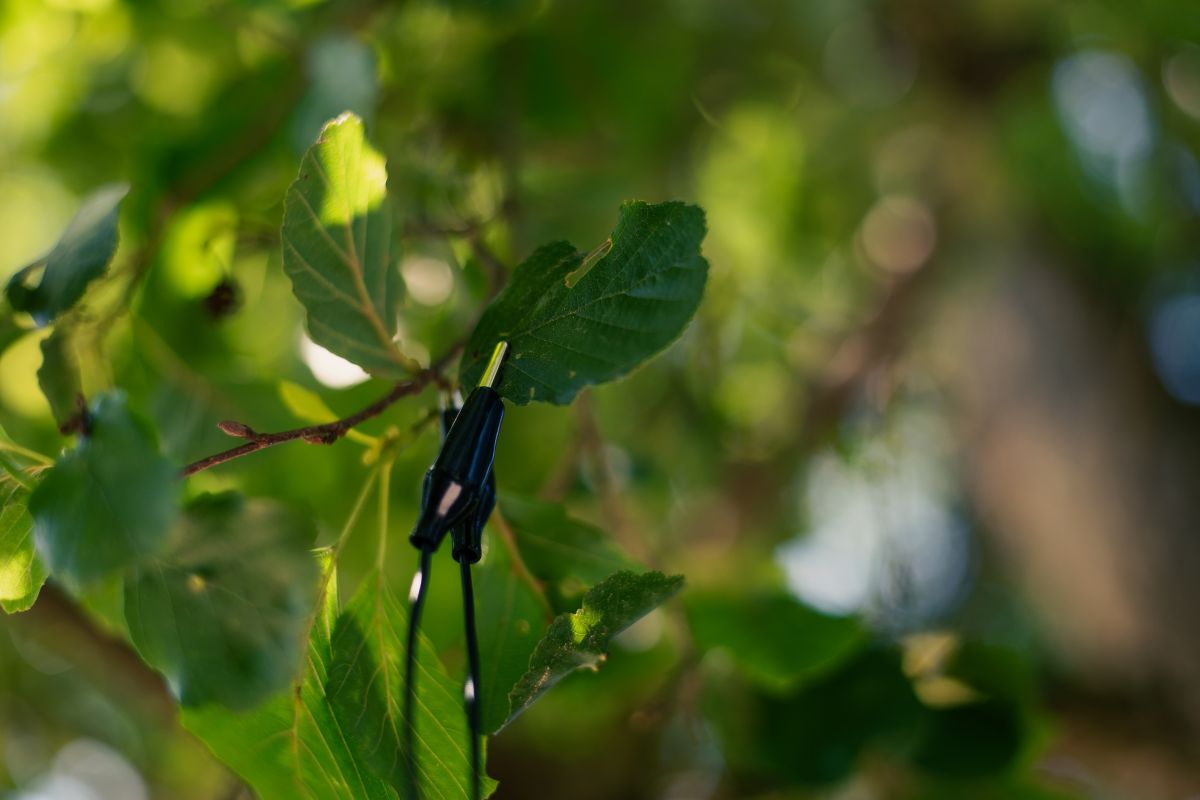
Electrical and chemical processes are constantly taking place within plant cells. Sensors attached to the tree detect subtle changes in its electrical properties between two points on its surface.
The device translates these measurements in real time into pitch, duration, density and other qualities of sound. This process of transforming biological data into sound is known as biosonification.
We are not listening to the tree’s literal “voice”, but to an artistic interpretation of its measurable changes. SONUS ALNI thus creates a connection between a living organism, measurement, technology and artistic interpretation.
Listen to the black alder
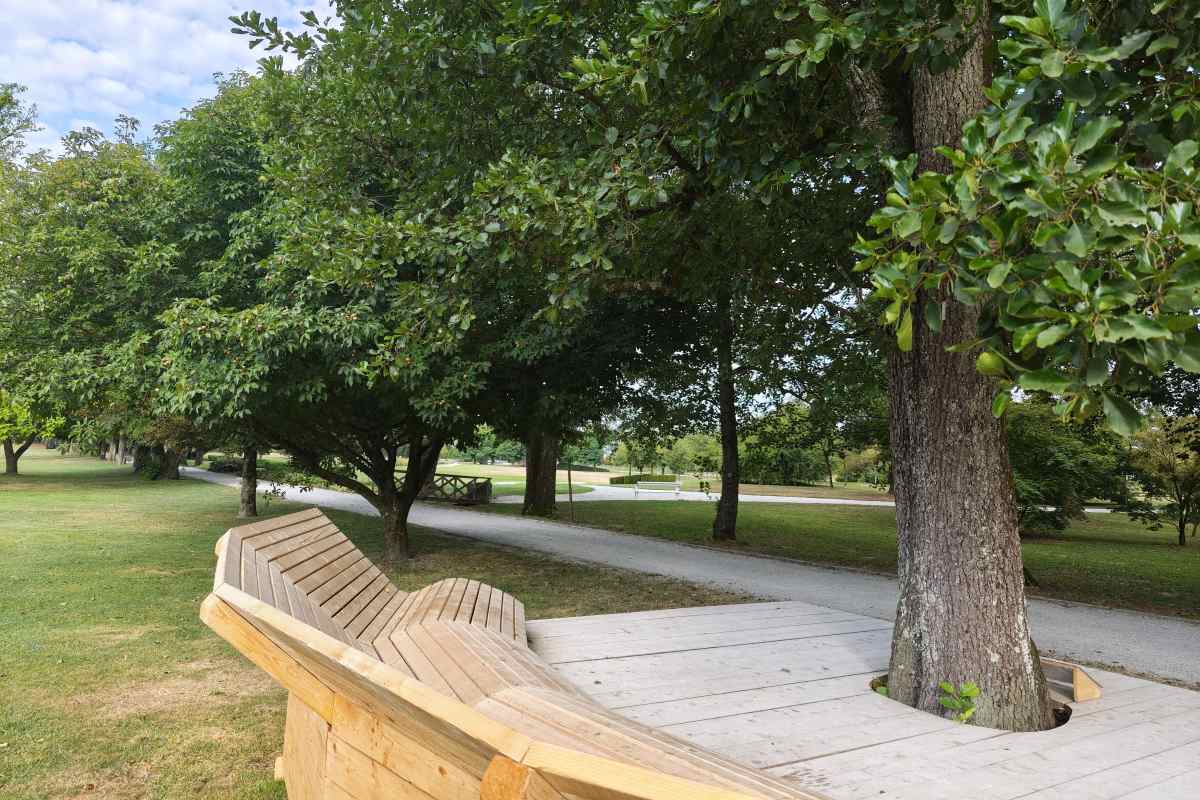
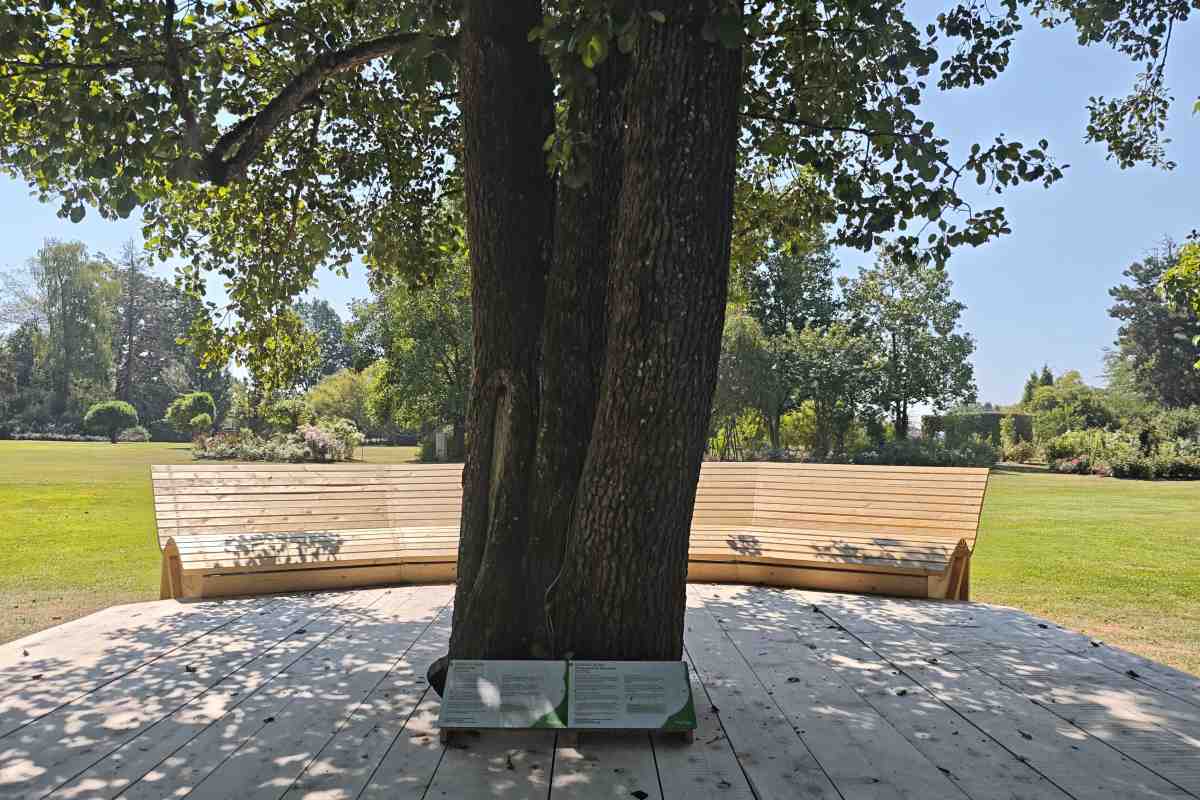
The SONUS ALNI sound installation is located at the end of the tree-lined avenue, near the entrance to the French Garden.
SONUS ALNI invites us to experience a tree in a different way—not merely as part of the landscape that we observe with our eyes, but as a living organism in which processes are continuously unfolding, usually beyond our perception.
As the sound is constantly changing, every listening experience is different. Take a seat on the wooden bench beside the tree, listen carefully and discover what the black alder sounds like today.
The black alder: a tree associated with water
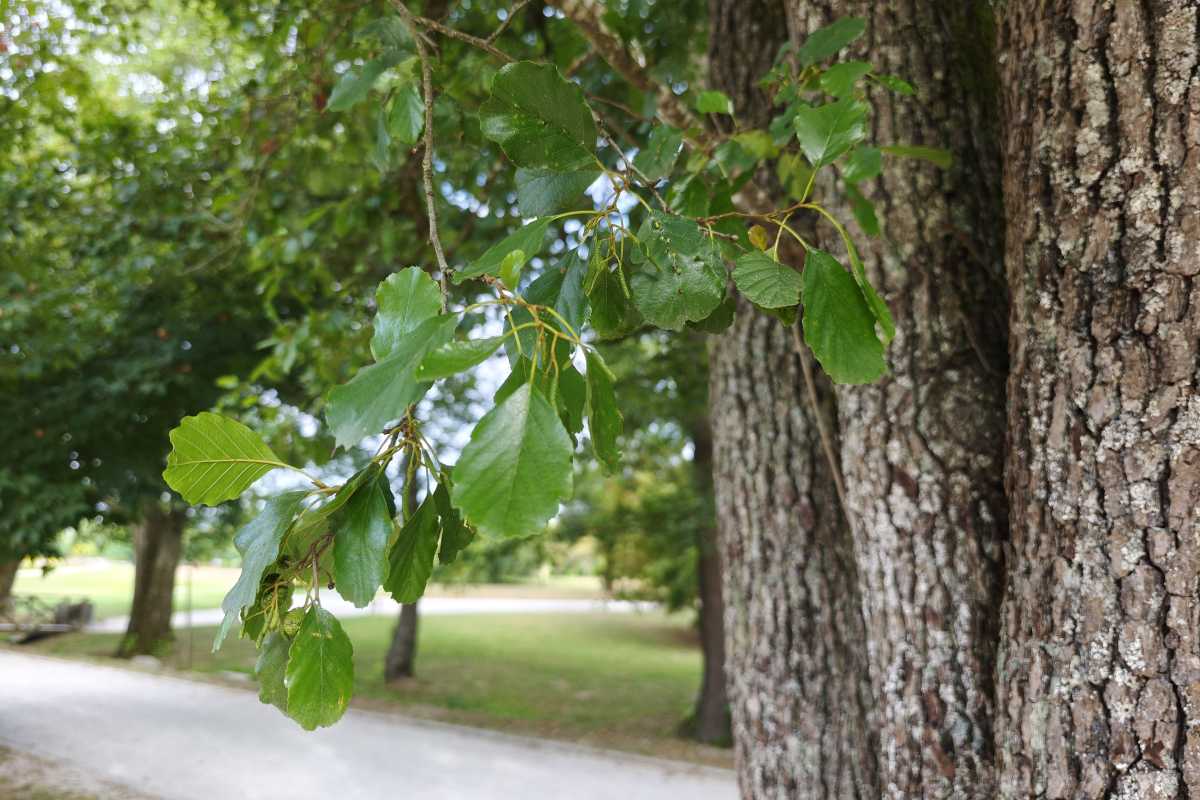
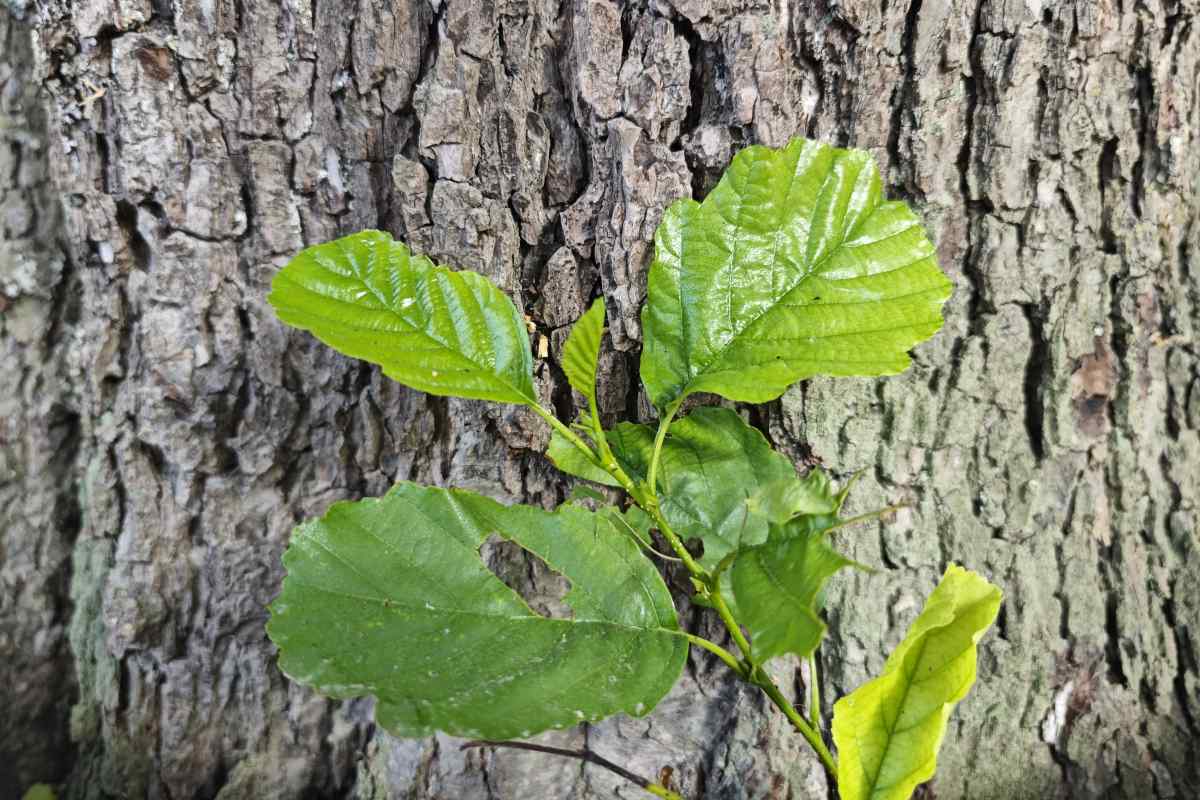
Three alder species occur naturally in Slovenia. The most common is the black alder (Alnus glutinosa), which grows primarily in wet soils along streams, rivers and marshes. Its roots help stabilise riverbanks, and the species is also used for planting embankments and creating protective belts against dust, noise and wind.
The black alder is believed to have been named after its dark bark, which was once used to dye wool black. Its woody cones were also used to produce durable black ink. Interestingly, when the wood is damaged, it turns a reddish-orange colour. People once said that the alder was in pain and bleeding; today, we know that the colour change is caused by the oxidation of its cell sap.
Did you know?
Alder wood is light, soft and easy to work with, yet remarkably durable under water. People were already using it as a building material in prehistoric times. A considerable amount of alder wood has been identified among the remains of the earliest pile-dwelling structures in the Ljubljana Marshes. Analyses of finds from the Resnikov prekop archaeological site have shown that the timber came from alders that grew approximately 5,700 years ago.
The durability of alder wood under water was also put to use in the construction of Venice. Parts of the historic city centre stand on oak and alder piles, while alder wood also supports the famous Rialto Bridge.
Many black alders grow at Arboretum and Botanical Gardens Volčji Potok. They can be seen along streams and beside the Great Lake, White Magnolia Lake and Otočec Lake. They are easily recognised by their characteristic multi-stemmed growth. In autumn, after the leaves have fallen, their hanging catkins become particularly visible due to their distinctive purplish colour.
From the sound of one tree to the Flower Orchestra
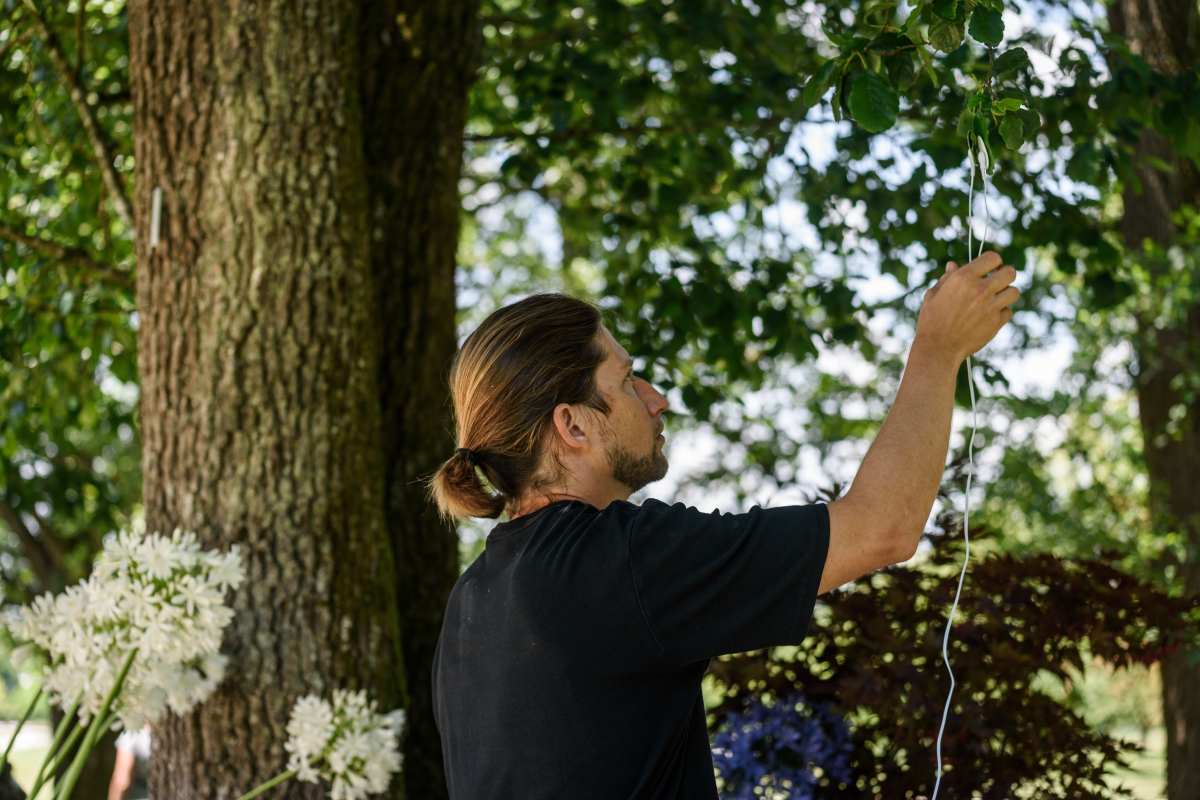
At Arboretum and Botanical Gardens Volčji Potok, we are continuing to explore the connection between plants, sound, art and technology through the Flower Orchestra.
In July 2026, we listened to plants in a new way for the first time. During the first performance of the Flower Orchestra, the bioelectrical signals of living plants were captured by sensors and transformed into sound in real time using contemporary technology.
Under the Indonesian Pavilion, sound, light, nature and technology came together in a distinctive evening experience in which plants became active participants in the creation of the soundscape.

The Flower Orchestra returns on 19 September 2026
The Flower Orchestra returns in an expanded form as Biosonus, a multi-hour ambient experience combining plants, sound, technology and light.
Date: 19 September 2026
Time: 3.30–8.30 pm
Location: Lower Rose Garden, Arboretum and Botanical Gardens Volčji Potok
The programme will feature a biosonification workshop with Nastja Ambrožič, performances by UKI, Noitu and Gødec, and lighting design by Tilen Sepič.
The event is free of charge. Standard park admission applies, and season tickets are valid.
Curious to hear the Flower Orchestra? Watch the YouTube recording of the first performance at Arboretum and Botanical Gardens Volčji Potok.
SONUS ALNI: The Sound of the Black Alder
Sound installation
Artist: Miha Godec
Commissioned by: Arboretum and Botanical Gardens Volčji Potok
Production: Artevida
Creative Director: Miha Kačič
